

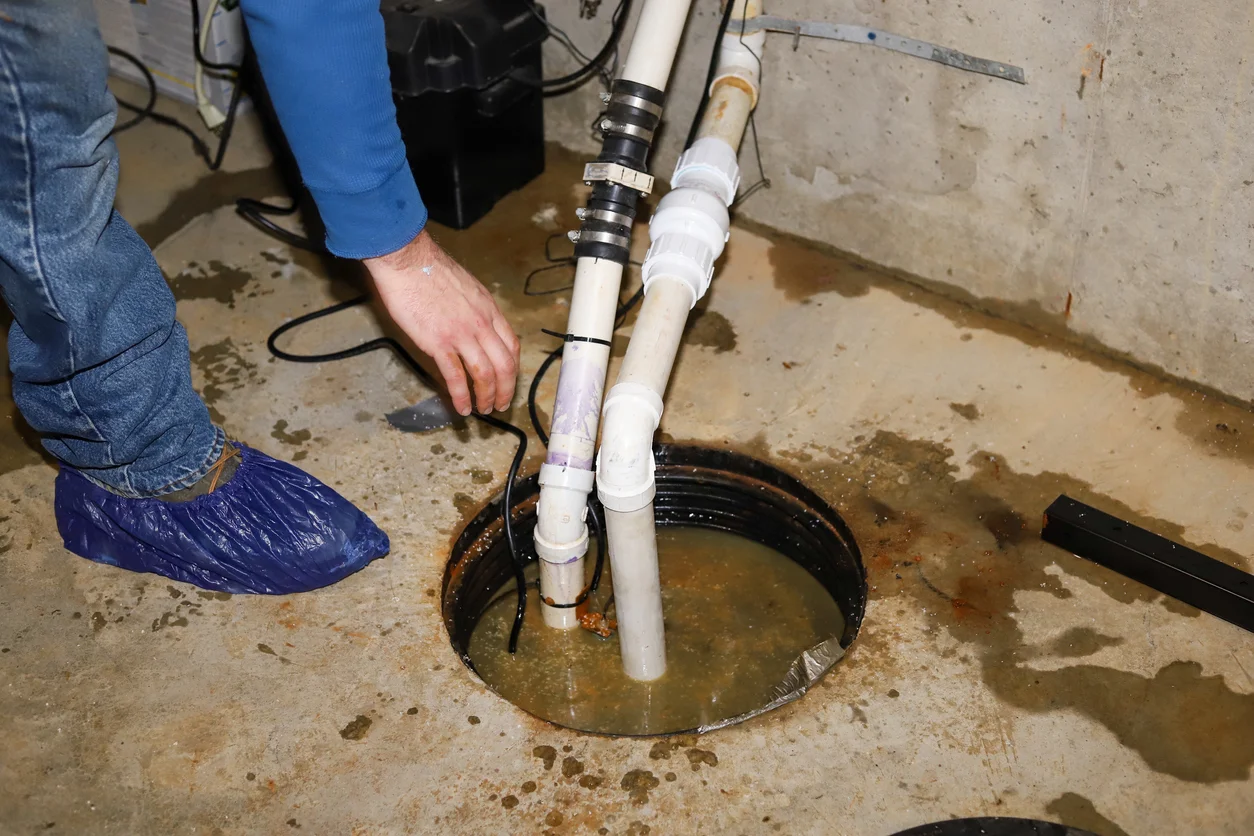
Discovering a pool of water in your basement is a homeowner's worst nightmare, especially when it is entirely preventable. When your primary drainage system starts acting up, it drops the ball on protecting your foundation, risking thousands of dollars in structural damage and mold growth.
Instead of waiting for a heavy New England rainstorm to completely flood your lower level, you can keep your property dry by learning the warning signs of an impending equipment failure.
Strange Sump Pump Noises and Rattling Sounds
While no basement drainage system runs completely silent, a unit that is working correctly should only emit a predictable, low-frequency hum when it cycles. When internal components become misaligned or worn out, the physical sounds echoing up from the basin will change dramatically.
If mechanical parts are starting to fail inside your pit, you will usually notice these distinct auditory warning signs:
- A loud, metallic rattling or grinding noise every single time the motor attempts to spin.
- Intense vibrations that shake the discharge pipe violently against your basement walls.
- A strange, repetitive clicking sound that suggests the internal switch is jammed or broken.
Internal grinding often means the impellers are bent or have sucked up a hard piece of debris, like a pebble. If you ignore these warning sounds, the motor will eventually seize up entirely under the extra friction. Getting a professional inspection early can save the motor before the next big storm hits.
Why Your Sump Pump Runs Continuously and Won't Shut Off
A system that refuses to turn off is just as dangerous as one that won't start at all. When a pump runs non-stop, it quickly overheats the internal motor, burning out the electrical components and leaving your home completely unprotected the moment the next heavy band of rain moves through.
To figure out why your system is stuck in an endless cycle, look into the pit for these common mechanical failures:
- The plastic float switch getting physically stuck against the rough concrete wall of the basin.
- A jammed check valve that is letting pumped water slide right back down into the pit the second the unit pauses.
- A basin that is constantly filling up with mud or silt, forcing the system to work overtime to move thick slurry.
If the float switch is just caught on a wire or pinned against the side of the liner, gently nudging it back into the center of the pit can provide a quick, temporary fix. However, if the switch moves freely but the motor still refuses to rest, the electrical relays inside the unit are likely fused together. A local team specializing in sump pump repair can safely swap out the faulty switches and test the check valves to ensure the water flows one way.
Visible Rust and Aging Drainage Systems
Like any heavy-duty household appliance that constantly sits in water, your basement pump has a definitive operational lifespan. Over the years, constant exposure to groundwater minerals and high humidity will naturally degrade the seals and metal housing.
You can look for a few clear physical clues along the body of the machine to evaluate its overall health:
- Flakes of brown rust or white mineral scale building up along the exterior motor casing.
- A system that is more than seven to ten years old and takes twice as long to empty the basin as it used to.
- A faint, oily sheen floating on top of the water in the pit indicates that the internal motor seals have cracked.
Once the protective seals fail and oil begins to leak into the water, the motor is on borrowed time before a short-circuit kills the unit permanently. Checking the age and physical condition of your equipment during a dry spell ensures you are not stuck dealing with a sudden mechanical failure in the dark during a midnight power outage.
Restoring Comfort and Keeping Your Home Safe
Ignoring a struggling basement pump is a gamble that eventually ends with a costly insurance claim and extensive mold remediation. This critical piece of equipment is your home's primary defense against groundwater pressure, and keeping it in top shape protects the structural integrity of your entire foundation. Catching minor mechanical hiccups before the rainy season arrives keeps your basement dry, protects your indoor air quality, and ensures you don't have to deal with the overwhelming stress of an active indoor flood.
If you notice your system making strange noises or struggling to clear the basin, our team at Quarry Hills Plumbing & HVAC is ready to help secure your home. We provide comprehensive inspections and dependable sump pump repair to ensure your drainage setup is completely reliable. Our experienced technicians can handle everything from clearing out clogged impellers and replacing faulty float switches to installing heavy-duty backup power systems.
Don't wait for a flooded basement to find out your equipment isn't working. Protect your home and gain total peace of mind before the next big storm by booking a diagnostic visit online or calling our local team directly at (508) 500-6832!