

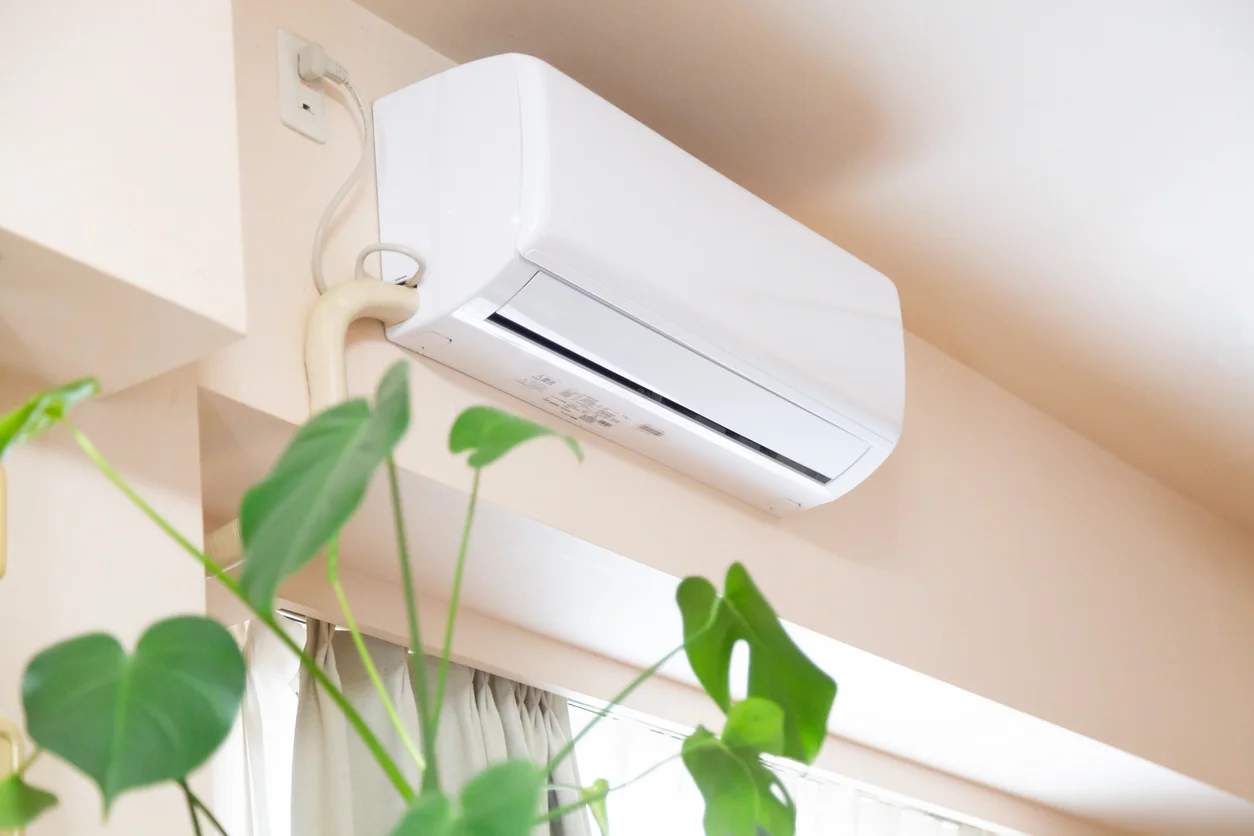
It is the middle of a scorching July afternoon, and you are trying to relax inside your home. Suddenly, you notice a weird rhythm starting up: your cooling system kicks on, runs for a mere two or three minutes, shuts itself down, and then repeats the whole process all over again.
This rapid cycling does not give your home enough time to actually cool down, leaving your family sticky, frustrated, and sweating. Even worse, the constant electrical surging keeps your power meter spinning wildly, sending your monthly utility bills through the roof while placing massive mechanical strain on your equipment.
Instead of letting your system burn itself out, you can get to the bottom of this issue by looking into the most common reasons why your cooling unit is short-cycling.
Why Is My AC Short-Cycling and Blowing Lukewarm Air
When a system turns off almost immediately after starting, a lack of proper airflow is frequently the main culprit. Your system needs to pull in a steady volume of warm air to keep its internal balance; when that air path is choked, heat builds up rapidly inside the equipment, triggering a safety switch that cuts the power.
If a lack of air circulation is causing your system to shut down prematurely, you will usually spot these everyday home indicators:
- A return air grille completely coated in a thick, gray blanket of dust or pet dander.
- Disposable air filters that have bent or collapsed inward due to a heavy buildup of dirt.
- Supply registers in major rooms that have been completely blocked off by heavy drapes or furniture.
Slapping in a fresh, clean air filter right away is the easiest home fix to restore the necessary breathing room your system needs. However, if your filters are already pristine but the rapid shutting down continues, the restriction might be deep inside your ductwork or caused by a failing blower component. Contacting a professional air conditioner company is the best next step to safely test the internal air pressure and clear out hidden blockages.
How to Fix a Short Cycling AC Thermostat Issue
Your thermostat acts as the brain of your entire cooling system, telling it exactly when to work and when to rest. If that sensor is misreading the room or getting mixed electrical signals, it will mistakenly tell your unit to shut down way before the house is actually comfortable.
To figure out if a thermostat glitch is messing with your cooling cycles, check your living space for these common setup problems:
- A thermostat installed directly in the path of a drafty window, an exterior door, or a hot kitchen stove.
- The digital display screen flickering, fading, or showing a low-battery warning icon.
- A temperature reading that jumps around erratically by several degrees in just a few minutes.
Moving localized heat sources away from the wall sensor or simply popping in a fresh pair of batteries can easily resolve basic calibration issues. If the unit continues to jump back and forth erratically, you might be dealing with corroded control wiring or an outdated control board. A local AC company can run a quick diagnostic check to rewire the control connections or install a modern, properly placed upgrade.
Low AC Refrigerant Signs and Short Cycling Causes
The chemical refrigerant looping through your system is what actually absorbs the heat from your indoor air. When a leak forms and the fluid level drops too low, the internal pressure drops along with it, causing a safety monitoring switch to repeatedly kill the power to protect the compressor from permanent damage.
You can look for a few distinct physical clues to confirm that a hidden leak is driving your system crazy:
- A faint, persistent hissing or bubbling sound coming from the copper lines near your indoor or outdoor units.
- Heavy ice crystals building up along the brass service valves or the indoor evaporator coil.
- A system that turns on and off continuously, while the air coming out of your vents feels humid and warm.
Running a cooling system that is low on refrigerant will eventually destroy the expensive compressor motor entirely. Because refrigerant is a hazardous chemical that requires specialized handling, you should turn the system off immediately to prevent further mechanical wear. Booking an appointment with a licensed technician ensures the leak is sealed correctly rather than just topped off.
Restoring Comfort and Keeping Your Home Safe
Allowing your cooling system to cycle on and off every few minutes is a recipe for a major mechanical breakdown. This rapid starting and stopping places immense stress on the compressor, fan motors, and electrical relays, greatly shortening the overall lifespan of your equipment. Getting ahead of these early warning signs keeps small component issues from spiraling into an expensive emergency replacement right in the middle of a New England heatwave. Ensuring your system can run a full, smooth cycle protects your household comfort, keeps your humidity levels low, and keeps your monthly energy costs completely manageable.
If basic troubleshooting, like changing your air filters, does not stop the short-cycling, our team at Quarry Hills Plumbing & HVAC is ready to step in and find the root cause. We specialize in comprehensive system diagnostics and can perform an expert AC tune-up to recalibrate your system and protect your equipment. Our factory-trained technicians provide professional AC maintenance, leak detection, and targeted cooling fixes to get your home back to a steady, reliable chill.
Don't let a malfunctioning system drive up your bills and ruin your summer comfort. Get your cooling system running smoothly and efficiently again by scheduling an arrival slot here or calling our local team directly at (508) 500-6832!