
Understanding the Mechanics of Drain Clogs
Accumulation of Debris:
One of the most common culprits behind pesky drain clogs is the accumulation of debris, which often sneaks its way into your plumbing systems through everyday activities. Hair is a notorious offender in bathroom drains, tangling with soap scum to form resilient clumps that can significantly reduce pipe effectiveness. Kitchen drains aren't safe either; food particles readily contribute to blockage problems, creating layers of residue that settle in pipes. This combination of materials not only slows the water flow but can also lead to complete disruptions if not addressed promptly. Understanding these routine culprits is the first step towards maintaining a free-flowing drainage system.
Greasy Buildup in Pipes:
In addition to debris, greasy buildup is a formidable opponent for any drainage system. Grease and oils are frequently washed down kitchen sinks, and they cool and harden inside pipes, creating stubborn blockages that are often resistant to traditional cleaning methods. This greasy menace coats pipe walls and traps other debris, forming dense clogs over time. The science behind this stubborn bonding lies in grease's ability to attach to itself and other solids, effectively narrowing the pathway for water flow. Taking measures to minimize grease disposal in sinks can significantly reduce the likelihood of encountering these frustrating blockages.
Impact of Hard Water on Drain Systems
Limescale Buildup:
Hard water is notorious for causing limescale buildup, a situation that most homeowners wish to avoid. Composed of minerals like calcium and magnesium, hard water leaves behind a chalky residue as it flows through pipes, gradually forming a hard, crusty layer known as scale. This scaling reduces the effectiveness of water flow and can lead to increased wear and tear on plumbing infrastructure. The reduced diameter of the pipe from scaling can mimic the symptoms of a blockage without any actual obstruction, often leading to similar repair and maintenance challenges if not addressed in time.
Chemical Reactions:
Beyond limescale, hard water can engage in unwanted chemical reactions with cleaning agents used around the house. When these minerals come into contact with soaps and cleaning chemicals, they can form soap scum, a sticky substance that can cling to the plumbing surfaces and collect more debris. This interaction complicates efforts to maintain clear drains, often exacerbating minor obstructions into significant clogs. Recognizing and addressing the impact of hard water can prevent these costly chemical buildups, ensuring a smoother path for your plumbing maintenance efforts.
Identifying Clogged Drain Symptoms
Slow Draining Water:
Slow-draining water is an early red flag that should never be ignored, whether it occurs in your kitchen or bathroom sinks. In the kitchen, slow draining may indicate the onset of grease buildup or food particles sticking together in a sticky alliance. Meanwhile, bathroom sinks often fall victim to hair and soap combinations. Observing this issue allows homeowners to take proactive measures, potentially solving the problem with straightforward methods before it escalates. Conversely, showers and bathtubs manifest clogs through water pooling around the feet, suggesting a growing obstruction in the drain pipes that requires swift action.
Unpleasant Odors from Drains:
Odors emanating from drains are not just unpleasant; they can also serve as a significant warning sign of something amiss. One noteworthy culprit is sewer gas, which may rise due to a deep clog trapped somewhere within the line. Such smells are often indicative of issues beyond the superficial layer of your plumbing system. Furthermore, decomposing organic matter trapped in the drain can emit a foul odor as it breaks down over time. When these smells linger despite cleaning, it's often an indication of a more substantial clog needing professional attention.
Unusual Sounds in Pipes:
Strange noises from your pipes, such as gurgling sounds, are another symptom of potential drain clogs. These sounds typically occur when air is trapped and pushed through narrow spaces within the pipes, signaling that the water flow is being obstructed. Gurgling is a red flag that your pipes may be experiencing increased pressure and shouldn't be overlooked. Additionally, other auditory cues such as pipe vibrations and air bubbles may signify that air pockets are forming due to partial clogs, potentially leading to severe blockages if not addressed quickly.
Consequences of Ignoring Drain Clogs
Potential Damage to Plumbing Systems:
Ignoring drain clogs can lead to extensive damage to your plumbing system, placing undue pressure on the pipes, which were not designed to cope with such stress. Over time, persistent blockages can result in increased pressure, leading to cracked pipes or even bursting. This can cause extensive water damage within the home, not to mention the associated repair costs. Furthermore, clogging issues can accelerate fixture corrosion and wear, as materials designed to handle water flow are consistently exposed to residue, moisture, and harsh chemicals, which can swiftly degrade them.
Increased Repair Costs:
The financial implications of overlooked drain clogs cannot be understated. While regular maintenance may incur predictable, manageable costs, emergency interventions due to severe blockages are significantly more expensive. Professional plumbing services are designed to tackle complex clogs, but they require more labor and time, particularly when properties have experienced additional damage like water overflow onto floors or walls. In severe cases, ignoring clogs can lead to considerable property damage, requiring extensive repairs that far exceed the cost of preventative maintenance and associated professional services.
Proactive Strategies to Prevent Drain Clogs
Regular Maintenance Practices:
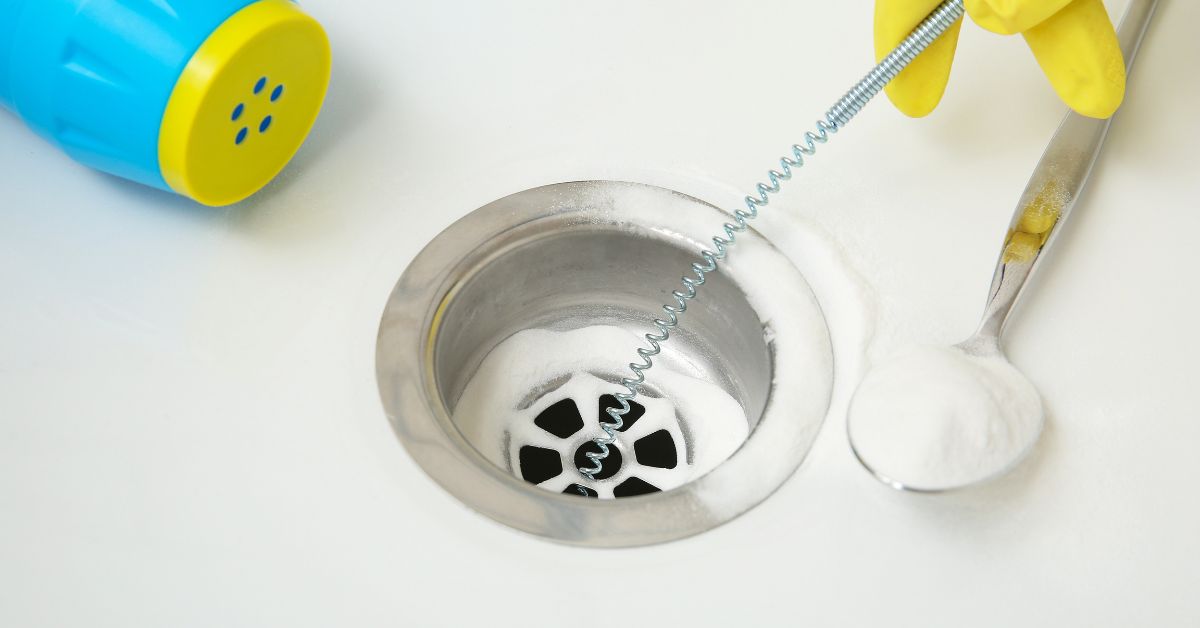
Prevention is key in drain maintenance, and establishing regular cleaning routines can save both time and money in the long term. Routine pipe cleaning methods, such as using enzyme-based cleaners or natural solutions like baking soda and vinegar, can effectively dissolve preliminary buildups without harsh chemicals. Additionally, installing drain guards is a practical step to capture debris before it causes clogging issues. These simple yet effective solutions ensure that your drains remain clear, preventing small issues from escalating into significant problems.
Adaptations in Household Habits:
Another potent line of defense against drain clogging is adapting household habits towards proper waste disposal. Implementing a kitchen routine that excludes disposing of oils and large food particles down the drain can drastically reduce risks. Furthermore, utilizing water softening solutions can help mitigate scale buildup associated with hard water, reducing related plumbing issues over time. By integrating these habits into daily life, you can greatly extend the lifespan and efficiency of your home's plumbing system.
When to Seek Professional Help
Beyond DIY Solutions:
While DIY solutions serve as an excellent first line of defense against basic drain clogs, there are situations where professional expertise becomes indispensable. Recognizing the limitations of home remedies is crucial—when minor obstructions evolve into persistent or more severe blockages, it is time to seek professional attention. Not all clogs are accessible or resolvable with conventional home tools, and extensive clogs can result in intricate problems within the drainage system that only trained professionals can address effectively.
Choosing the Right Plumbing Services:
Selecting the right plumbing service provider in Mansfield, MA, involves considering factors such as experience, credibility, and customer reviews. It's important to evaluate service providers based on their qualifications to ensure they are equipped to handle complex clogs. Understanding service costs beforehand also helps set realistic expectations; discussing estimates with providers gives you insights into standard pricing frameworks. Being informed about what to expect will help you choose a reliable service and avoid unexpected expenses.
If You Are Dealing with Clogs, Make Sure to Reach Out to Quarry Hills Plumbing & HVAC
For homeowners and business owners, maintaining a smoothly operating plumbing system requires a combination of awareness and proactive management. Should you encounter clogs that DIY methods can't resolve, consider reaching out to Quarry Hills Plumbing & HVAC. Our expert technicians are ready to deliver efficient and reliable drain cleaning solutions tailored to your needs. Don't wait for minor issues to become major headaches—contact us today to keep your home's plumbing systems in prime condition.
Call Quarry Hills Plumbing & HVAC now at (508) 500-6832 or send us a message online.