

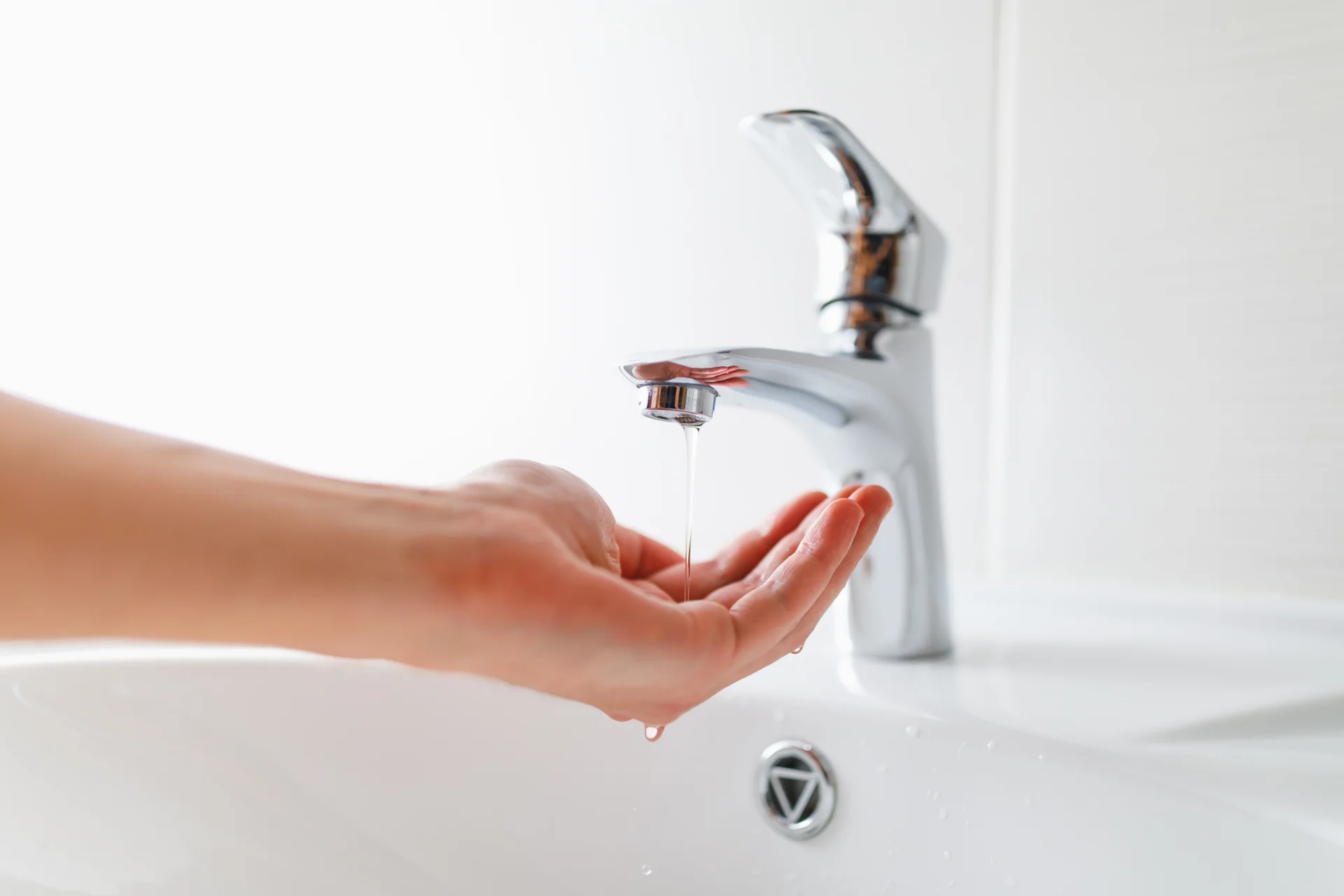
Low water pressure can make simple daily tasks feel like a chore. Whether you are trying to rinse dishes or take a refreshing shower, a weak stream of water is frustrating and time-consuming. In Quincy and the surrounding South Shore areas, many homes have unique plumbing setups and older infrastructure that can lead to these issues over time. Understanding what causes the drop in flow is the first step toward getting your home back to its usual comfort level.
Pinpointing the Source: Is it One Faucet or the Whole House?
The first thing to check is whether the low pressure is happening everywhere or just at one specific spot. If the kitchen sink is a trickle but the shower is fine, the problem is likely localized to that fixture. However, if every tap in your home feels weak, the cause is usually deeper within your plumbing system or the main water line coming into your house.
Check for these specific indicators at your fixtures:
- Debris or white, crusty buildup on the small screen (aerator) at the tip of the faucet.
- A showerhead that is partially blocked by mineral deposits or hard water scale.
- Specific issues that only occur when using hot water versus cold water.
- A single handle or valve under the sink that may not be fully turned to the open position.
If the issue is localized, unscrew the aerator or showerhead and soak it in white vinegar for several hours to dissolve mineral buildup. If only hot water is affected, verify that the shut-off valves on your water heater are fully open. For fixtures with weak flow, ensure the local supply valves under the cabinet are turned completely counterclockwise to the "on" position.
The Impact of Aging Pipes and Mineral Buildup
Many homes in our area have been standing for decades, which means the plumbing has seen a lot of use. Over time, minerals like calcium and magnesium can stick to the inside of your pipes.
Check for these signs of aging:
- Water that appears slightly brown or rusty when you first turn on a tap.
- A slow and steady decline in water pressure over several months or years.
- The presence of older, silver-colored metal pipes in your basement.
If you see rusty water, have a professional perform a system flush to clear loose sediment. For long-term pressure loss in older homes, consult a licensed plumber about a partial or full repipe using copper or PEX to replace narrowed, corroded lines. To prevent future buildup, consider installing a water softener to neutralize minerals before they reach your pipes.
Mechanical Failures: Valves and Regulators
Every home has a main shut-off valve that controls all the water entering the property. Additionally, some homes are equipped with a pressure-reducing valve (PRV).
Locate your main shut-off valve and ensure it is turned all the way to the open position; a valve that was recently bumped or partially closed will severely restrict flow. If you suspect the bell-shaped pressure regulator has failed, do not attempt to adjust the spring-loaded bolt yourself, as this can lead to pipe bursts. Contact a professional to test the PSI and replace the regulator if it is no longer maintaining a steady flow.
Hidden Leaks: The Silent Pressure Stealers
A leak does not always result in a puddle on the floor. A pinhole leak in a pipe hidden behind a wall can bleed off enough pressure to notice it at the faucet.
Check these sneaky spots if you suspect a leak:
- The area around your main water meter to see if the dial is spinning while no water is running.
- Damp spots or unexplained stains on the drywall or ceilings.
- Soft or muddy patches in your yard along the path to the street.
- Sounds of running or dripping water behind the walls when the house is quiet.
If your water meter is spinning, turn off your main water supply immediately to prevent structural damage and mold growth. Once the water is off, call for a professional leak detection service; they use specialized acoustic or thermal tools to pinpoint the exact location of the breach so it can be repaired with minimal disruption to your walls or landscape.
Restoring Flow and Protecting Your Home
Maintaining consistent water pressure is about more than just a good shower; it is vital for the long-term health of your home. When your plumbing operates at the correct pressure, your appliances run more efficiently, and your pipes face less unnecessary stress. Addressing the root cause of low pressure early can prevent the need for more extensive repairs and help you avoid the high costs associated with hidden water damage or pipe failure.
If you are dealing with a weak stream, Quarry Hills Plumbing & HVAC can help restore your system through professional drain cleaning and a thorough inspection of your main lines. We handle everything from water heater troubleshooting to fixing leaky fixtures that might be causing your pressure to drop. Our team focuses on identifying the exact source of the restriction, whether it requires a simple valve adjustment or more involved plumbing repairs to get your home comfortable again.
If you’re tired of weak showers and slow-filling sinks, we’re ready to help you get your water pressure back to normal today. Schedule a consultation today here or call us at (508) 500-6832.