
Seasonal Recommendations
Scheduling heating system maintenance during the spring or fall is highly recommended. These transition seasons are perfect for prepping your system to meet the demands of impending temperature changes. Spring follows the intense usage of winter, making it an ideal time to inspect and repair any wear and tear before the system goes dormant. Conversely, the fall offers the prime opportunity to fine-tune your heating system ahead of the cold season. Performing maintenance during these off-peak times minimizes the risk of emergency service calls when HVAC technicians are at their busiest. By being proactive, you can ensure that your heating system is not only ready to perform optimally but is also operating safely and efficiently.
Signs a Maintenance Schedule Is Needed
It's essential to be aware of the subtle signs that your heating system may need a check-up, as regular maintenance significantly depends on these indicators. Unusual noises like banging or whistling could mean parts are loose or worn out, while inconsistent heating might signal a failing thermostat or other component issues. Moreover, a spike in your energy bills without a clear reason often indicates that your system is working harder than it should be, probably due to clogged filters or a malfunctioning part. Regular maintenance ensures these issues are addressed early, preventing them from escalating into more significant problems. Recognizing these signs early helps alleviate the frequency of required maintenance while helping maintain your home’s comfort levels.
Increased Efficiency and Longevity
Regular heating system maintenance is invaluable in enhancing your system’s efficiency and prolonging its life. A well-maintained system uses energy more efficiently, lowering your utility expenses and reducing your carbon footprint. When an HVAC system operates efficiently, it doesn't have to work as hard to heat your home, meaning less wear and tear on its components. This not only results in immediate savings but also ensures the longevity of the unit. Over time, proper maintenance can add years to the lifespan of an HVAC system, delaying the costly investment of a full replacement and ensuring consistent, reliable service when you need it most.
Prevention of Costly Repairs
Routine maintenance is your first line of defense in avoiding expensive HVAC repairs. During service visits, technicians can identify small issues before they develop into significant problems, which are often pricier to fix. This proactive approach to care not only saves money but also keeps your heating system reliable throughout the colder months. Scheduled check-ups can pinpoint potential leaks, deteriorating thermostats, or failing components that could compromise your system's efficiency or safety. By investing in regular maintenance, you safeguard your system against the unexpected, preserving both its functionality and your peace of mind.
Key Elements Checked During Maintenance
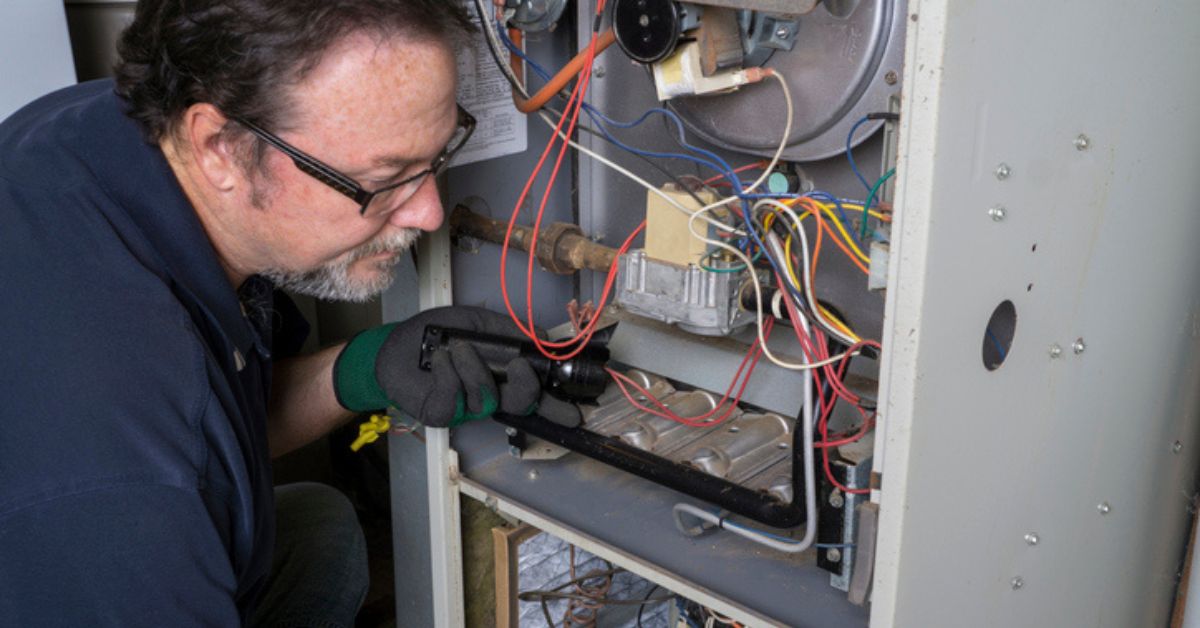
An effective heating maintenance routine comprehensively covers multiple components for safety and efficiency. During routine check-ups, technicians commonly inspect and clean essential parts such as air filters, burners, and heat exchangers. These components are critical as they are responsible for regulating airflow and ensuring the efficient burning of fuel. Additionally, the technician will examine the blower motor, belts, and ducts for effective operation and clear any obstructions that may impede airflow. Safety checks, such as examining gas connections and leak testing, are crucial to ensuring there are no carbon monoxide risks, promoting both health and system efficiency.
DIY vs Professional Maintenance
While some aspects of heating system maintenance can be handled by homeowners, such as changing air filters and clearing debris from vents, other tasks should be left to professionals. Professional HVAC technicians have the expertise and equipment needed to perform more technical tasks like calibrating thermostats and assessing gas connections. Attempting these without the proper knowledge can be hazardous and may void warranties. While a DIY approach can indeed supplement professional tune-ups by helping to maintain cleanliness and air quality, relying on a certified specialist for more intricate maintenance ensures your system's optimal operation and longer life span. Finding a balance between DIY tips and professional services can help maintain efficiency and safety throughout your heating system’s lifecycle.
System Type and Age
The type and age of your heating system significantly influence the frequency of required maintenance. Different systems, such as furnaces, heat pumps, or boilers, each have unique demands based on their operational mechanisms. For example, older systems generally require more frequent inspections than newer ones due to wear and outdated technology. Similarly, modern, high-efficiency models may have unique components or electronic controls that need specialist attention. Recognizing these distinctions ensures that your maintenance schedule aligns with your system’s specific needs, enhancing performance and longevity. Understanding the maintenance demands of your particular system type can optimize both its operation and lifespan, keeping your home comfortable and energy-efficient.
Usage and Environment
Your system’s maintenance frequency is also dictated by usage patterns and the surrounding environment. In climates with long winters, heating systems see increased operation, which may necessitate more regular maintenance to cope with the additional strain. Similarly, homes with larger family sizes or those susceptible to more dust and pet dander may see clogged filters and system strain more frequently. Recognizing these specific environmental factors helps tailor an effective maintenance schedule. This customized approach ensures that your heating system can withstand your specific lifestyle demands, maintain efficiency, and avoid breakdowns, thereby cutting unnecessary expenses over time.
Qualities of a Reliable HVAC Technician
When it comes to choosing an HVAC technician, several key qualities can drastically enhance your maintenance experience. Certifications are paramount, as they ensure that the technician is trained and up-to-date with the latest industry standards. Customer reviews offer an insight into the reliability and trustworthiness of a service provider, guiding you towards professionals known for their efficient and respectful service. Transparent pricing is also crucial; clear, upfront costs help build trust and prevent unwelcome surprises. Finally, when speaking with technicians, ensure they can clearly explain their process and what their service encompasses, as this clarity can give you a better sense of what to expect.
Comparing Service Plans and Contracts
When deciding between an annual maintenance plan and on-demand services, each has unique benefits to consider. An annual plan typically offers peace of mind, as it ensures your heating system gets the attention it needs at regular intervals, often at a lower yearly cost compared to individual service calls. These plans may also include benefits such as priority service and discounts on repairs. On-demand services, however, offer flexibility; you pay only when you perceive a need. Evaluating these options involves weighing cost, convenience, and coverage tailored to your system’s demands and your own lifestyle. By understanding the advantages and offerings of different service plans, you can make an informed decision that best ensures your heating system's optimal performance.
For the Heating Service You Deserve, Contact Quarry Hills Plumbing & HVAC
If you're a homeowner or renter looking to optimize the performance and longevity of your heating system, Quarry Hills Plumbing & HVAC is here to help. Our experienced technicians are equipped to handle all your heating maintenance needs with professionalism and care. Don't wait until the next cold snap to discover the benefits of regular maintenance. Contact us today to learn more about our comprehensive service plans and keep your home comfortable all year long.
Call Quarry Hills Plumbing & HVAC now at (508) 500-6832 or send us a message online.