

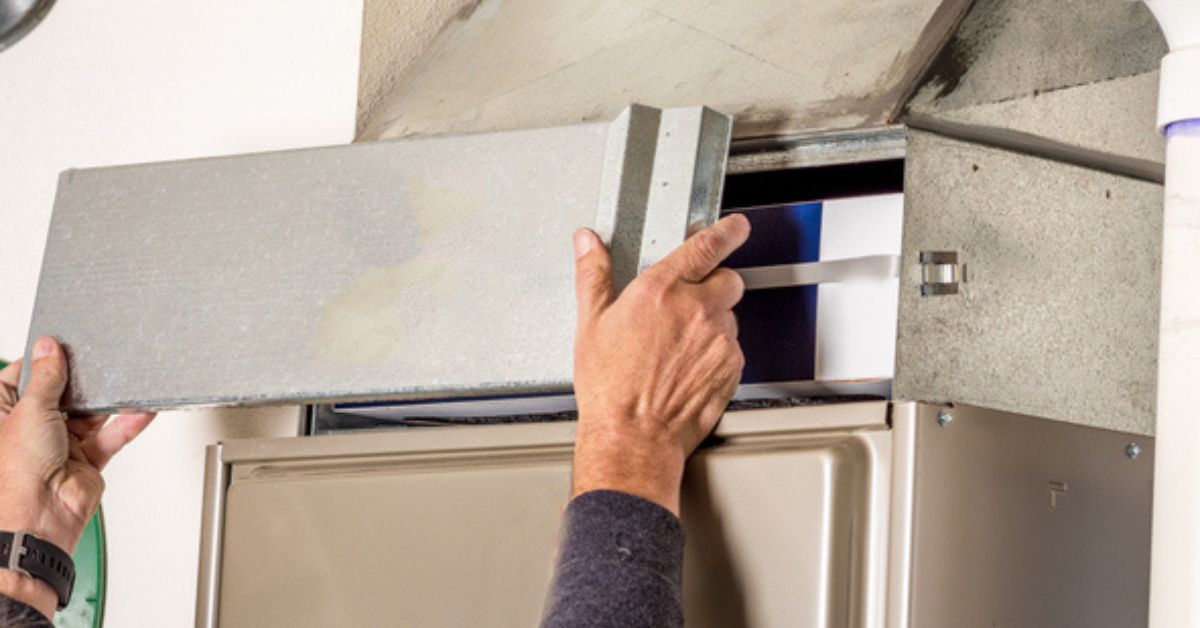
Forced Air Systems
Forced air systems are among the most popular types of heating systems in residential properties due primarily to their efficiency and versatility. They operate by heating air using a furnace, which is then distributed throughout the home via a network of ducts. The key components of a forced air system include the furnace, ductwork, air filters, and vents. One of the defining characteristics of forced air systems is their ability to quickly and evenly heat a home. Furthermore, they can easily integrate with central air conditioning systems, making them an attractive all-in-one solution for climate control. However, these systems require regular maintenance to ensure that the ductwork remains clean and free from leaks, problems that can reduce energy efficiency and air quality.
When it comes to pros and cons, forced air systems present a mixed bag. On the positive side, they provide rapid heating, can improve air quality with the right filtration systems, and offer significant energy efficiency, especially when properly maintained. However, they can also present challenges, such as inconsistent airflow distribution and noise from the ductwork. Air quality can be compromised if filters are not regularly replaced—important considerations for homeowners with allergies or asthma. Ideal home setups for forced air systems include those with well-insulated ducts and sufficient space for the necessary components, while homes with suboptimal duct configurations might face challenges in achieving desired energy efficiency levels.
Heat Pumps
Heat pumps work by transferring heat rather than generating it. In colder months, they extract heat from the outside air—even when it's chilly—and move it indoors to warm your home. During warmer months, the process reverses: the heat pump pulls heat from inside your home and pushes it outside, effectively cooling the space. This heat transfer is made possible by a refrigerant system and a compressor, similar to how a refrigerator or air conditioner operates.
One of the biggest benefits of a heat pump is its energy efficiency. Because it moves heat instead of producing it, a heat pump can provide the same level of comfort as traditional systems using significantly less energy. This can lead to lower utility bills and a reduced carbon footprint. Heat pumps also offer both heating and cooling in one system, making them a versatile and cost-effective choice for homeowners seeking year-round climate control.
Radiant Heating Systems
Radiant heating systems offer a unique and comfortable way of warming a home. These systems are typically installed under the floor or within wall panels to deliver even and consistent heat across a room, ensuring no space is left cold. Underfloor systems are particularly popular, utilizing electric cables or hot water tubes to radiate heat upwards, which warms the room from the ground up. This method is not only incredibly efficient but also quiet, as it eliminates the need for blowers and fans. Despite the high initial costs and complexity of installation, the growing interest in radiant heating systems is rooted in their ability to enhance the ambiance and comfort level of living spaces.
The benefits of radiant heating systems are numerous: they provide even heat distribution, eliminate the circulation of dust and allergens, and are energy efficient once installed. However, they do come with drawbacks, primarily the challenging and costly installation process, especially in existing homes where floors need to be retrofitted. Furthermore, certain flooring types, like thick carpets, can reduce the system's efficiency as they insulate well against the floor heat. For homeowners interested in radiant heating, it's important to consider integrating this system during building or major renovation phases to maximize cost-effectiveness. Additionally, radiant heating best harmonizes with open floor plans or homes where aesthetic appeal and quiet operation are valued.
Hydronic (Hot Water Baseboard) Systems
Hydronic or hot water baseboard systems utilize a boiler to heat water, which is then circulated through pipes to baseboards located along the walls of each room. As the water flows through these baseboard units, heat is radiated into the room, maintaining a consistent and comfortable environment. Unlike forced air systems, hydronic heating is less likely to significantly impact indoor air quality, an advantage worth considering for individuals with respiratory issues. The system consists of a series of control valves and thermostats, allowing homeowners to adjust the heating settings room by room, optimizing both comfort and energy use.
Performance-wise, hot water baseboard systems offer advantages in heat distribution efficiency compared to forced air systems. Heat from hydronic systems tends to spread more evenly without the variations in temperature seen in other types of heating, making them ideal for those seeking consistent heat. On the cost front, while the installation of hydronic systems can be expensive, ongoing operating expenses are often lower compared to other heating systems, largely because of the system's energy efficiency. Additionally, the need for proper maintenance, such as bleeding the system to remove trapped air or ensuring the boiler is functioning properly, can impact the long-term costs of operation and repair.
Climate and Location
The geographic climate plays a critical role in determining the best type of heating system for a home. In colder regions, a heating system with higher efficiency and output is necessary to maintain desirable temperatures, whereas milder climates might allow for more modest solutions. Additionally, the local cost of energy sources, like electricity and gas, should be factored into decision-making. States like Massachusetts, including areas such as Mansfield, may experience harsh winters, making robust heating systems more critical. Regional energy prices can also sway decisions, as soaring electricity costs might make gas heating systems more appealing due to their typically lower operational costs.
Understanding one's regional climate needs not only helps in selecting the right heating system but also in predicting the long-term operation costs. Homeowners should consider local weather patterns, both current and forecasted changes, to align with their home's heating requirements. It may be beneficial to explore options for supplementary heating systems or backup heating solutions if the climate is prone to extremes or the location is susceptible to power outages. Considering these factors enables individuals to select a heating system that will provide comfort and efficiency in harmony with their specific environmental circumstances.
Home Infrastructure Compatibility
A primary consideration before selecting a new heating system is whether or not it will integrate smoothly with the existing home infrastructure. Older homes or those with specific architectural designs might pose particular challenges when installing certain types of heating systems due to insulation levels or window placements. Typically, homes with superior insulation will maintain the heat better and require less energy input, while drafty homes may benefit more from systems with higher output capabilities. Evaluating the current state of the home’s insulation and making necessary upgrades could be crucial to optimizing the performance of a new heating system.
Infrastructure compatibility also involves examining existing plumbing and electrical systems, which can highly influence installation feasibility. Retrofitting challenges, like installing ductwork in homes with limited space or reinforcing floors for hydronic systems, may involve additional costs and logistical considerations. Therefore, homeowners should investigate potential updates, such as reinforcing or replacing old ductwork or upgrading insulation, to accommodate the installation of the desired system efficiently. By addressing these factors beforehand, homeowners can ensure they select a heating system that not only meets their needs but also aligns with their home’s structural capabilities.
Energy Efficiency Ratings and Environmental Impact
The energy efficiency of heating systems is a pivotal factor in both short-term comfort and long-term savings. A critical metric to understand is the Annual Fuel Utilization Efficiency (AFUE) rating, which indicates the efficiency of a heating system in converting fuel into heat over the course of a typical year. A higher AFUE rating signifies a more efficient system and, consequently, lower energy bills. Readers should be aware that investing in a heating system with a high AFUE rating is not only a wise financial investment but an environmentally conscious one, as these systems typically produce fewer emissions.
When considering a heating system, many homeowners are now factoring environmental impacts into their decision. With increasing awareness of climate change, renewable energy heating options—such as solar-powered systems or those that utilize geothermal energy—are gaining popularity. These systems not only contribute to a reduction in carbon footprint but may also offer access to rebates and incentives that alleviate initial installation costs. Engaging with renewable heating solutions aligns well with the trend toward sustainable living and can contribute significantly to reducing a household's overall environmental impact.
Initial Costs vs. Long-Term Savings
One of the foremost considerations when choosing a heating system is evaluating initial installation costs against potential long-term energy savings. While the upfront costs of energy-efficient systems—like those with high AFUE ratings—can be higher, they offer the benefit of reduced operational costs through lower energy consumption. For budgets aiming at immediate affordability, forced air systems are often appealing despite their potentially lower efficiency compared to options like radiant floor heating. Prospective homebuyers and renovators should consider incentives that make investing in higher-efficiency systems more achievable, such as current rebates or government energy efficiency programs.
Additionally, long-term savings are not solely dependent on energy efficiency but also on longevity and durability, which can vary among system types. A well-maintained heating system is less likely to require frequent repairs, prolonging both system life and reducing unforeseen costs. Exploring financing opportunities, such as home improvement loans with favorable terms, can also allow homeowners to invest in more efficient systems that will lower utility bills over time. Planning for a heating system purchase requires a balance of immediate cost considerations with a vision toward future savings and energy conservation.
Maintenance and Repair Costs
Once a heating system is installed, ongoing maintenance and potential repairs are considerations that should not be overlooked. Regular maintenance is key to ensuring the system performs optimally and can often prevent costly future repairs. Simple tasks, such as changing filters for forced air systems or bleeding the radiators in hydronic systems, can significantly enhance efficiency and longevity. The costs associated with maintenance vary depending on the system type, with complex systems like radiant floor heating typically necessitating more specialized and frequent oversight to detect issues early.
Recognizing the common issues that can occur with different heating systems helps in preparing for potential repair costs. For instance, forced air systems might require ductwork inspections to ensure there are no leaks, whereas hydronic systems might need periodic checks on the water heater or boiler. Budgeting for these expenses in advance allows homeowners to maintain their systems more effectively, ultimately saving costs in energy usage and extending the life of the equipment. Remaining proactive about maintenance ensures that systems continue to run efficiently, providing reliable home heating without unexpected failure or decline in performance.
Smart Thermostats and Zoning Systems
The integration of advanced technology, such as smart thermostats and zoning systems, has revolutionized traditional heating solutions by providing enhanced comfort and energy management. Smart thermostats offer precise control over the heating system, allowing homeowners to schedule heating cycles, adjust temperatures remotely, and even dictate settings based on humidity or weather patterns. This technology not only contributes to energy savings but also provides a customized comfort experience. The introduction of zoning systems allows different areas or rooms in a home to be heated independently, an ideal solution for large homes with varying heating needs throughout the day.
Harnessing these technological advancements empowers homeowners to optimize their heating systems' performance. Modern smart thermostats integrate seamlessly with mobile devices, providing convenience and real-time data on energy usage, while zoning offers the ability to regulate heating specific to one’s routine. This ability to customize heating not only advances energy efficiency but also substantially reduces costs associated with heating unused spaces. As such, investing in these technologies can lead to significant improvements in both energy expenditures and overall home comfort.
Backup and Emergency Heating Solutions
In areas prone to extreme weather, it is crucial to have a backup heating plan in case of power outages or main system failures. Having an alternative heat source ensures that the home remains habitable and comfortable during unexpected events. Portable heaters, wood-burning stoves, or gas-powered generators can serve as reliable sources of temporary heat, each coming with its own set of considerations regarding cost, safety, and maintenance. When evaluating these options, local factors like the availability of fuel and space constraints should be taken into account.
Ensuring continuous heating during emergencies goes beyond comfort; for regions like Mansfield, MA, it is a matter of safety during harsh winter months. Preparing for unexpected circumstances by setting up a backup plan can mitigate the risk of freezing pipes and other cold-related damage. Others might consider having an emergency maintenance service agreement with local HVAC professionals for swift repairs. Evaluating emergency preparedness as part of your overall heating system planning ensures that your household maintains warmth and safety regardless of the circumstances.
Consulting with Professionals
When selecting the best heating system, it is vital to consult with professionals who can provide expert advice tailored to individual home and climate needs. Conducting an energy audit with an HVAC expert can identify inefficiencies in existing systems and provide a roadmap for improvements that align with the homeowner's objectives. Mansfield-based businesses like Quarry Hills Plumbing & HVAC offer comprehensive services to assess and address heating system requirements unique to your home. Engaging with a reputable contractor ensures access to knowledgeable installation and maintenance, enhancing both the quality and durability of the chosen system.
Choosing the right contractor goes beyond an initial installation—it establishes a reliable partnership for ongoing maintenance and repairs. Professional input helps navigate the wide range of options available and assists in narrowing down choices that will best suit current and prospective goals, including budget and efficiency plans. For homeowners serious about optimizing their home environment, professional consultation is invaluable for not only making informed decisions but also for ensuring long-term satisfaction.
Reviewing User Feedback and Case Studies
In making a final decision, understanding the experiences of other homeowners who have previously installed heating systems can provide invaluable insights. User reviews and case studies help paint a realistic picture of the lifecycle and performance of a heating system in day-to-day use. Looking at case studies, particularly those relevant to the local climate of Mansfield, MA, can help highlight considerations for success or lessons to avoid. Reading firsthand accounts highlights the successes or downfalls of specific systems, offering a clearer view of what might work best for your situation.
Utilizing testimonials and reviews empowers consumers to make educated decisions, balancing technical specifications with user satisfaction stories. Successful installations can often inspire confidence while presenting cautionary tales, which offer learning opportunities without the personal risk. As you navigate customer feedback, identifying common trends or recurring issues can help guide your decision-making process toward an effective and fulfilling energy solution. Ultimately, choosing with both professional guidance and community feedback ensures that investments made into heating systems are well-informed, practical, and aligned with homeowner needs.
For All Your Heating Needs, Turn to Quarry Hills Plumbing & HVAC
Ultimately, selecting the right heating system involves balancing a variety of factors—from climatic conditions and home infrastructure compatibility to energy efficiency and budgeting concerns. With the range of options available, our professionals at Quarry Hills Plumbing & HVAC can provide the guidance you need to navigate these choices effectively. Contact us for heating options that meet your needs today and stay efficient and reliable tomorrow. Embrace energy efficiency and comfort by reaching out to expert consultants who understand local heating demands and offer solutions tailored precisely to your expectations.
Quarry Hills Plumbing & HVAC is available by phone at (508) 500-6832, or you can always contact us online.